
The Operational Cost of Disconnected Systems
Before introducing intelligent automation, manufacturing enterprises often depend on fragmented data, and manual processes. These challenges reduce efficiency across the organisation.
An AI-Empowered ERP for Modern Manufacturing
Workflow ERP AiGP is an AI-empowered enterprise resource planning platform delivered by Digiwin and DSC Consulting.
Designed to serve as the intelligent operating brain connecting ERP, MES, and wider manufacturing operations, AiGP transforms traditional ERP from a passive data-entry system into a proactive platform that helps anticipate operational needs, automate complex processes, and accelerate decision-making.
The platform combines decades of manufacturing experience with generative AI, ESG management capabilities, and enterprise-grade information security. It is designed for manufacturers operating across multiple sites, regions, and international supply chains.
Streamlining Factory Operations:
How Generative AI Works for Manufacturing

Order Generation Assistant
Automatically recognise business documents and images, such as customer purchase orders, and extract important information into the ERP system.
The assistant identifies key fields, supports intelligent validation and correction, and generates the relevant ERP documents automatically. Users can then open the generated document number for immediate review.
Report Analysis Assistant
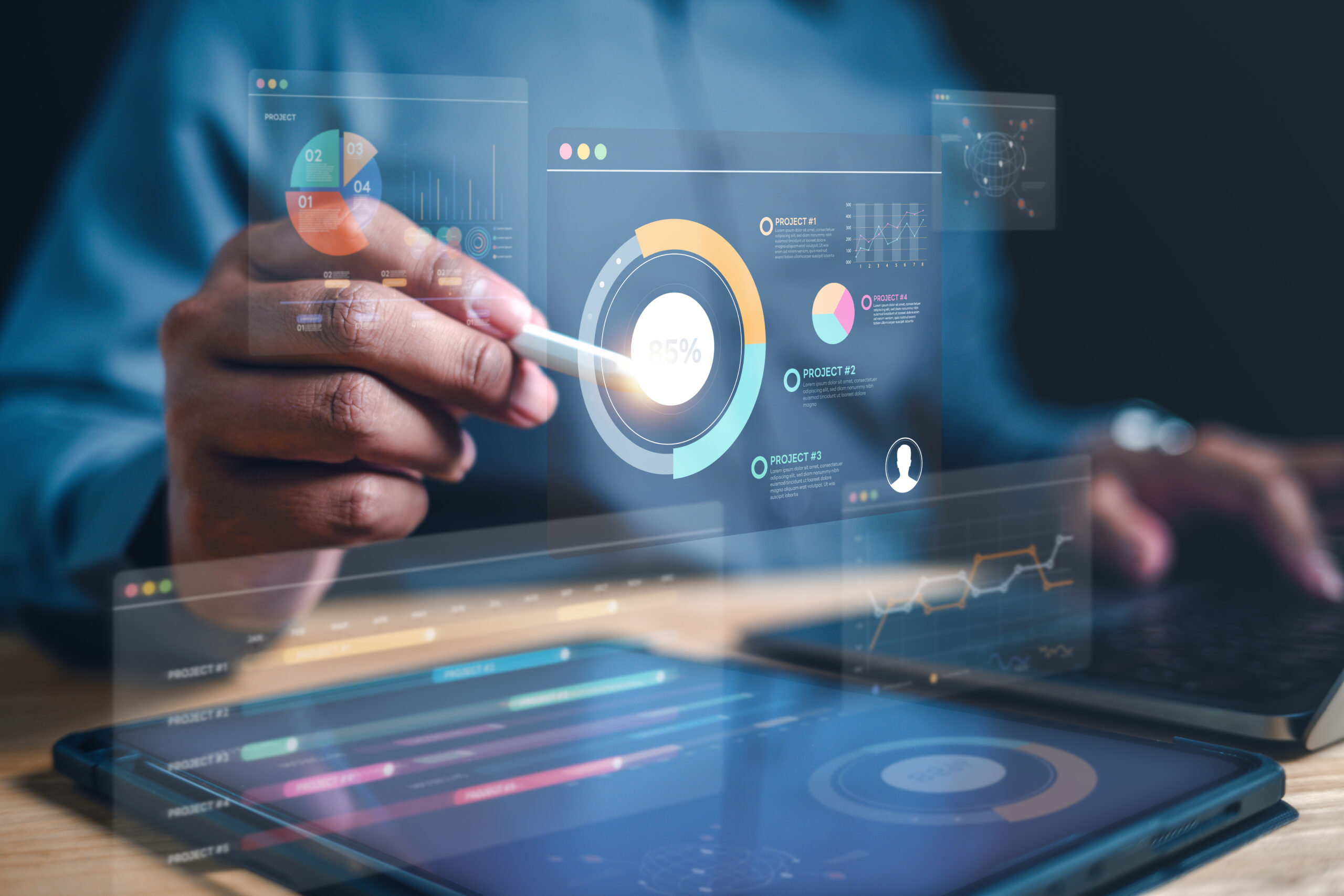
Analyse ERP data across user-selected dimensions and automatically generate charts, summaries, and completed reports.
Outputs can be prepared for formats such as Excel and PowerPoint, turning raw operational information into decision-ready insights in minutes.

Document Summary Assistant
Use generative AI to search, summarise, and ask questions about enterprise documents.
Sales teams can quickly identify important contract terms and potential risks. New employees can learn through product FAQs, while production planners can query process documents to resolve shop-floor issues more efficiently.
Core Strengths
AI-Driven Automation and Governance
Three generative AI assistants are integrated directly into standard ERP workflows to support order generation, document summarisation, and report analysis. These tools help automate routine work, improve access to knowledge, and accelerate decision-making.
Multi-layered security protections aligned with ISO 27001 help safeguard business information. Built-in control points across key process stages enable automated monitoring, early alerts, and audit reporting, embedding governance into daily operations.
A layered access-control architecture connects R&D, production, finance, and human resources. Employees receive secure, real-time access to the information relevant to their roles, including cross-regional business data.
Global Standards and Local Compliance
Built-in carbon inventory and emissions estimation tools help organisations monitor environmental performance. Early-warning mechanisms and visual dashboards support regulatory compliance, sustainability initiatives, and customer audits.
The platform supports regional tax, customs, and labour requirements across markets including Taiwan, China, Vietnam, and Malaysia. This includes functionality for SST/GST management and computer-generated invoices.
Built-in support for International Financial Reporting Standards, or IFRS, enables consistent, and high-quality financial reporting across business entities.
Users can switch dynamically between Traditional Chinese, Simplified Chinese, English, and Vietnamese, with customisable translation options to support regional teams.
Specialised Operational Models
Designed for complex trading and manufacturing environments, the platform strengthens three critical operational priorities: timely production, punctual delivery, and accurate liability management, helping businesses maximise profitability.
End-to-end capabilities connect procurement, material planning, inventory management, finished-goods distribution, and electronic supply chain collaboration.
Product design, process management, and real-time production reporting are brought together in one integrated environment. Barcode-enabled operations improve traceability, reduce costs, and increase manufacturing accuracy.
Service and Industry Expertise
Decades of manufacturing implementation experience from Digiwin and DSC Consulting have been embedded into ready-to-use industry applications. Dedicated project teams help businesses deploy proven practices while reducing the need for extensive customisation.
Computer Telephony Integration, or CTI, enables location-independent customer support, while a 24/7 e-service portal provides continuous access to troubleshooting resources. The “Electric Adviser” distance-learning programme also allows operators to receive training anytime, anywhere.
Global Customer Applications
U-Right Medical 宇仁医材 — Medical Device Manufacturing
U-Right Medical implemented Workflow ERP to strengthen production control, manufacturing history management, quality traceability, and material traceability.
The platform supports a more complete and competitive production process while complementing the company’s R&D and product-innovation capabilities.

Wan De Fu, Vietnam 越南万德福 — Food Processing
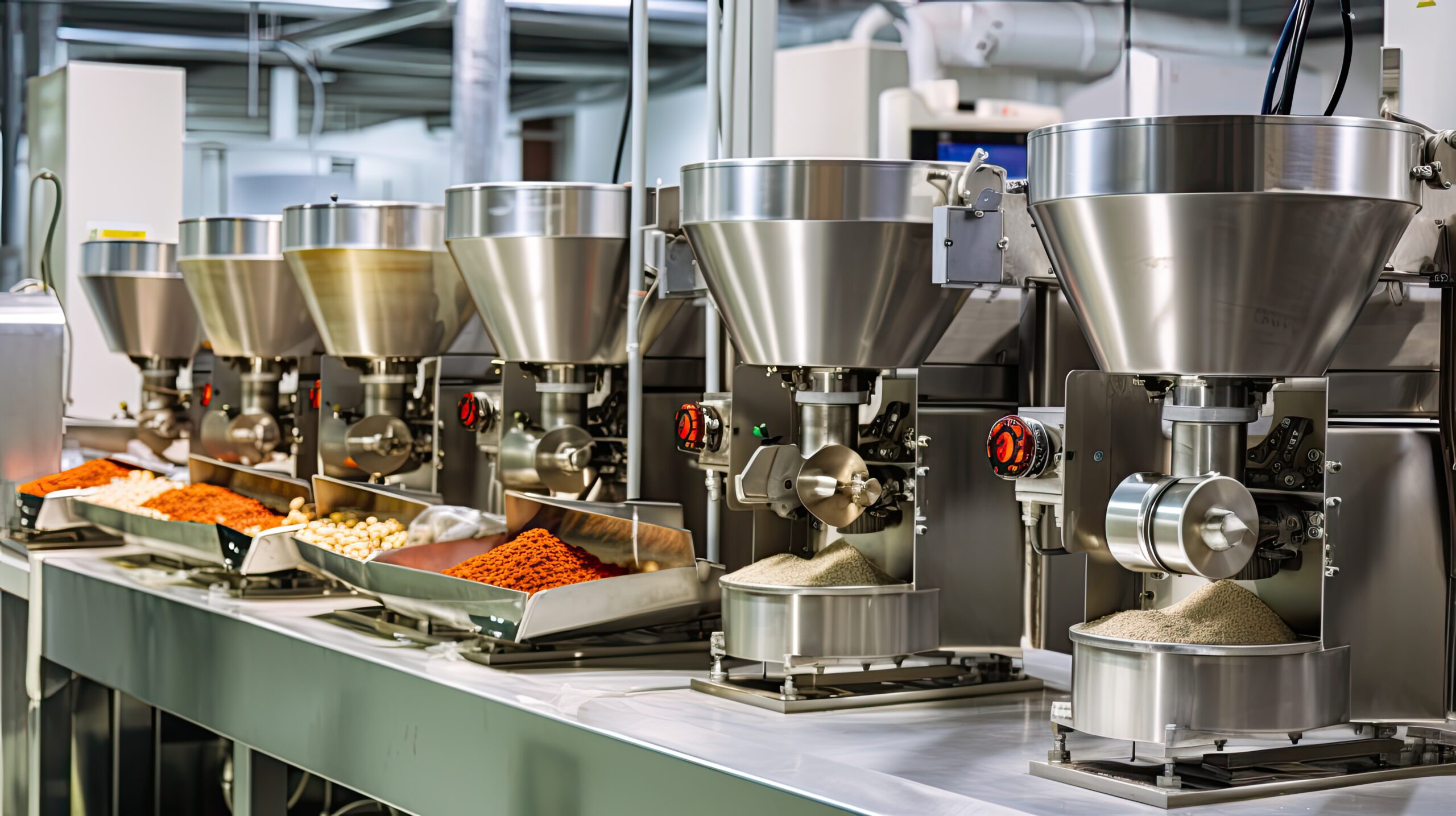
Wan De Fu used Workflow ERP to standardise material usage rates, control access to formulas, and manage product expiry requirements.
By collecting actual material, labour, and machine-hour data throughout production, the company improved product costing accuracy and accelerated financial closing.
Kai Ming Plastics 凯明塑胶 — Plastics Manufacturing
Kai Ming Plastics implemented a fully bilingual Chinese and Vietnamese system aligned with Vietnamese accounting practices.
Bilingual engineers, support personnel, and consultants helped the company establish a smoother ERP implementation and operating environment for its overseas business.


Taiwan Fu Kang 台湾辅康 — Medical Devices
Taiwan Fu Kang adopted Workflow ERP and SFT as the operational backbone of its digital-management strategy.
Guided by the principles of streamlining processes, refining costs, and strengthening operational control, the company developed a more data-driven approach to management and decision-making.
The Multi-Company Challenge
Why Growing Groups Outgrow
Legacy Systems
As businesses expand into multi-company groups, conventional software often struggles to support the added operational complexity. Organisations with multiple subsidiaries, branches, and manufacturing plants commonly face:
Meet T100
Purpose-Built for Group Operations and Multi-Company Scale
T100 is a next-generation enterprise resource planning system designed for the complexities of group companies.
Whether your organisation operates under OEM, ODM, or OBM business models, T100 seamlessly connects factories, global distribution networks, and diverse business units through one unified platform.
Implemented by DSC Consulting, T100 provides a flexible, multi-level organisational structure from the outset. Headquarters can maintain strong financial and operational control while subsidiaries retain the flexibility to address local business and regulatory requirements.
One Centralised Platform for
Group Operations

Global Operations Management
Manage multiple factories, currencies, and languages seamlessly within one platform.
T100 supports flexible organisational restructuring and dual-ledger accounting for IFRS and local accounting requirements.
Production and Manufacturing
Support a wide range of manufacturing models, including repetitive manufacturing, continuous manufacturing, discrete manufacturing, and project-based manufacturing.
T100’s AMRP intelligent scheduling capabilities enhance traditional MPS and MRP processes with automated, real-time planning. This helps manufacturers respond more effectively to scheduling constraints, production changes, and order-promising requirements.


Group Sales and Distribution
Coordinate sales and supply chain activities across headquarters, regions, and branches.
T100 supports multi-level organisational structures, multi-attribute product categories, and group-level demand planning for stronger collaboration across the end-to-end supply chain.
Retail and Logistics
Connect operations from the factory floor to physical stores and e-commerce channels.
Capabilities include chain-store management, point-of-sale integration, inventory tracking, warehouse management, and distribution logistics—all within one connected business platform.


Technology and Integration
T100 is built on a service-oriented architecture that supports web-based applications, enterprise integrations, and mobile access.
Its built-in support services connect with Digiwin’s e-service cloud, helping users access technical assistance and business information wherever operations take place.
The T100 Advantage
Prepare for international expansion with multilingual, and cross-border operational capabilities.
The T100 interface supports English, Traditional Chinese, Simplified Chinese, Japanese, Vietnamese, and Thai.
Consolidate information from every subsidiary into a group-level Executive Information System.
Executives can monitor key performance indicators, and business intelligence across the entire organisation through a central dashboard.
T100’s web-based, service-oriented architecture removes geographical barriers.
Authorised users can access real-time group information from web browsers and supported mobile devices—whether they are at headquarters, working remotely, or visiting an overseas factory.
Maintain control over the long-term development of your enterprise system.
With source-code availability and technology-transfer options, internal IT teams can gain greater flexibility to customise, scale, and deploy the platform across new subsidiaries, reducing dependence on restrictive vendor models.
Managing a multi-site or multi-country operation?
Speak with DSC Consulting about developing a T100 group-architecture blueprint. We can help map your organisational structure, ledger design, and rollout sequence before implementation begins.